NASA University Student Launch Initiative (USLI)
Payload Team Lead – Senior Design Project
Fall 2025 – Spring 2026 | Colorado State University
Honors thesis: Subsystem Integration and Reliability in a High-Power Rocket Payload
Overview
As Payload Team Lead for CSU's NASA USLI Senior Design team, I managed a 9-member multidisciplinary group to design, build, and test a deployable soil collection and pH analysis payload for the 2026 NASA competition.
I designed and tested payload electronics, coordinated integration with the vehicle team, and managed timeline, deliverables, and cross-team coordination. The work also informed my senior honors thesis on subsystem integration and reliability in a high-power rocket payload.
Key Contributions
Subscale Electronics Design
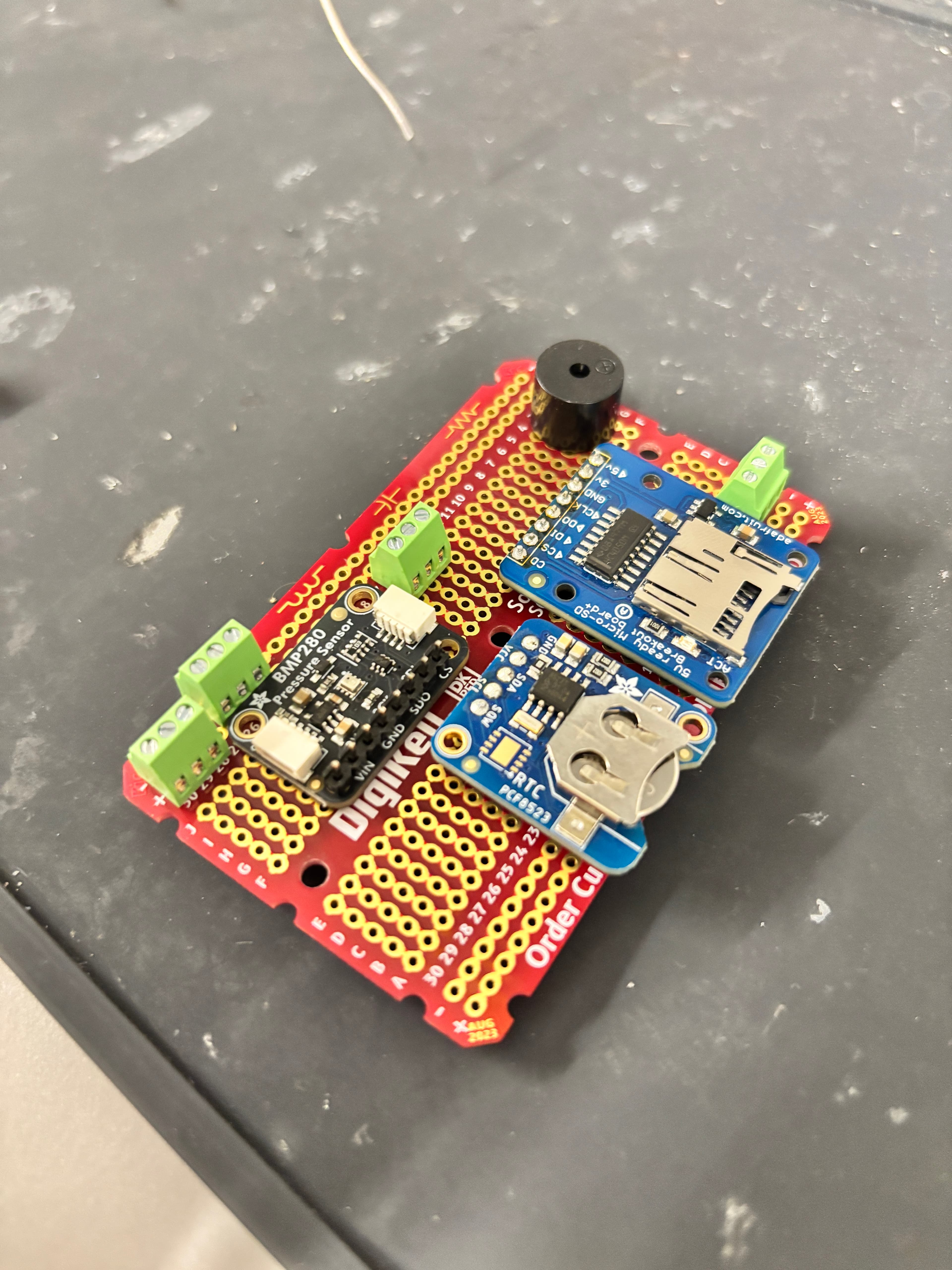
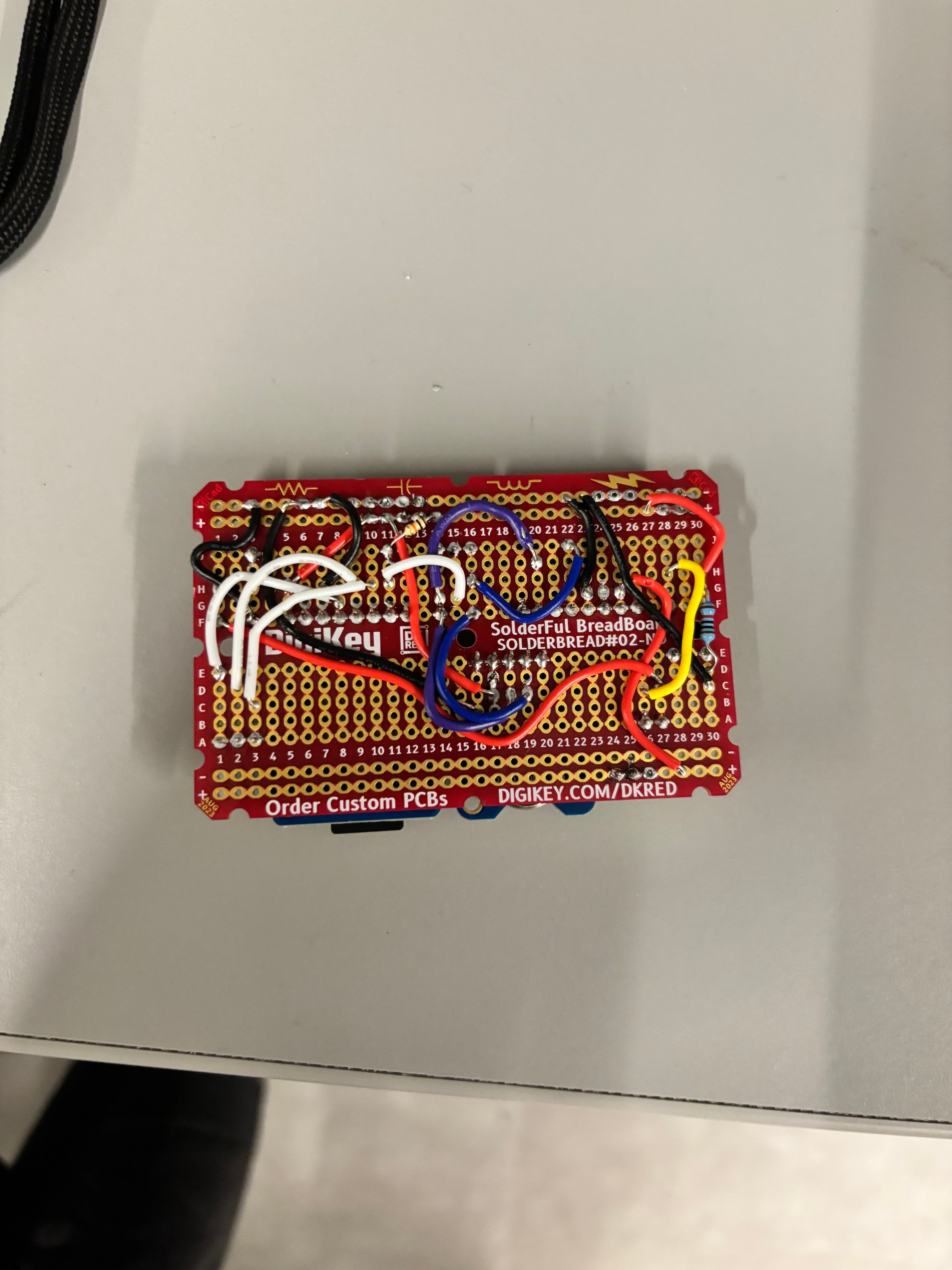
Designed and implemented subscale payload electronics to capture in-flight sensor data. Integrated data acquisition and onboard logging, storing measurements to a microSD card using an Arduino Nano. Supported proof-of-concept launch to validate payload landing systems and characterize deployment and landing behavior.
Payload Subsystem Design
Designed, built, and tested a subscale payload for in-flight data collection during validation testing. Developed preliminary electrical schematics for the drill mechanism and defined system-level architecture. Established power budgets and validated them through reviews with industry engineers. Conducted initial hardware testing to verify subsystem performance.
Payload Autonomy & Firmware
Developed firmware architecture enabling autonomous payload operation. Defined communication protocols, GPIO mapping, and control logic for sensor integration and actuation. Implemented structured data handling for reliable onboard logging and post-flight analysis.
Project Management
Developed Gantt charts, coordinated electrical and mechanical efforts, and enforced milestone tracking. Standardized version control practices by introducing Git workflows and training resources for the programming team.
Impact
Delivered an integrated payload system spanning mechanical, electrical, and control subsystems in a rigorous aerospace setting—and documented the reliability lessons in an honors thesis. The project contributed to NASA's USLI mission of fostering student-led innovation in launch vehicle design.
Skills
Level 1 High Power Rocketry (L1 HPR) Certification
Successfully obtained L1 HPR certification through building and launching my own high-power rocket. This hands-on experience with rocket construction, recovery systems, and launch operations directly informs my work on the USLI payload team.
Payload Team
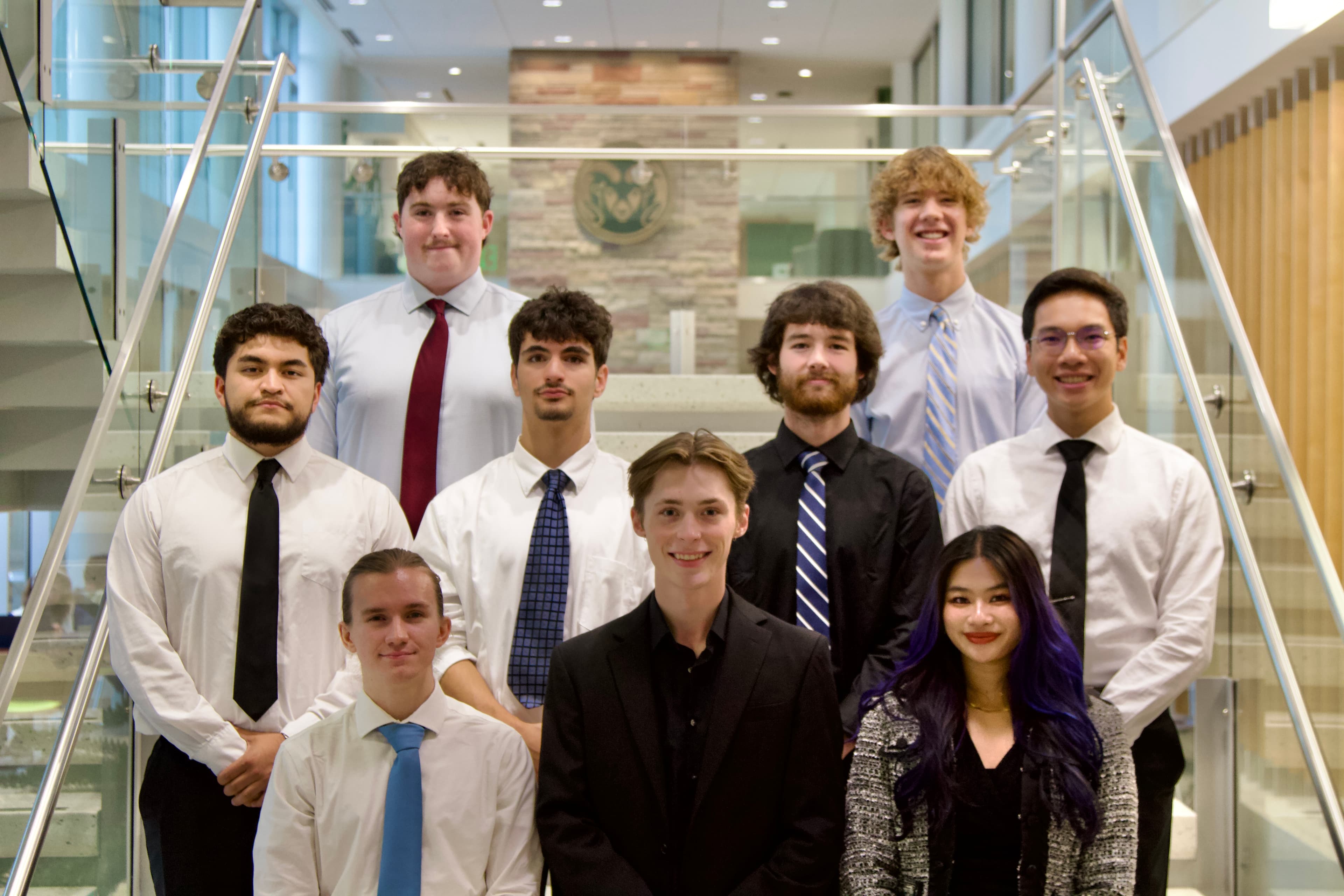
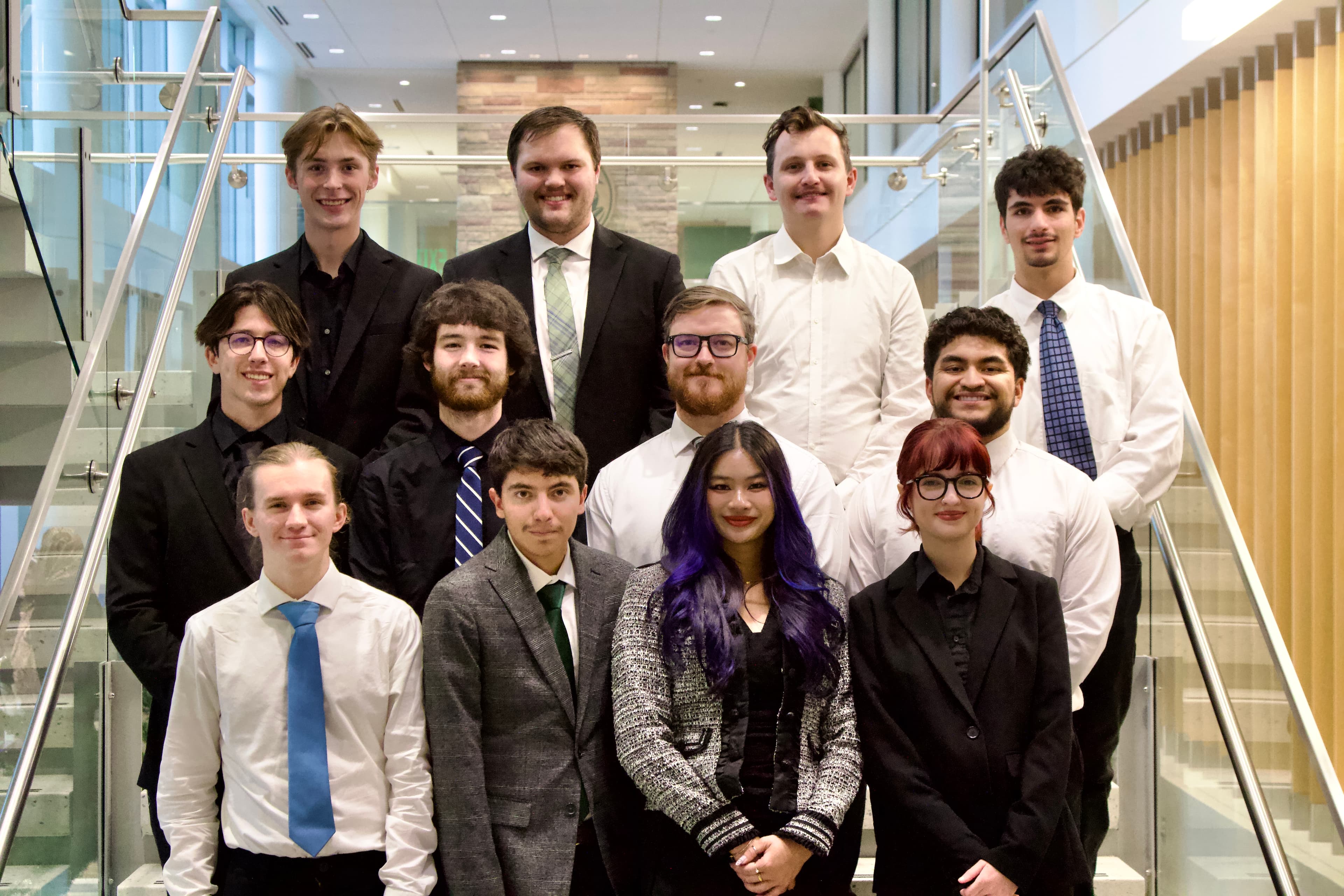
CSU's payload team for the 2026 NASA USLI competition
Project Photos
Early Development
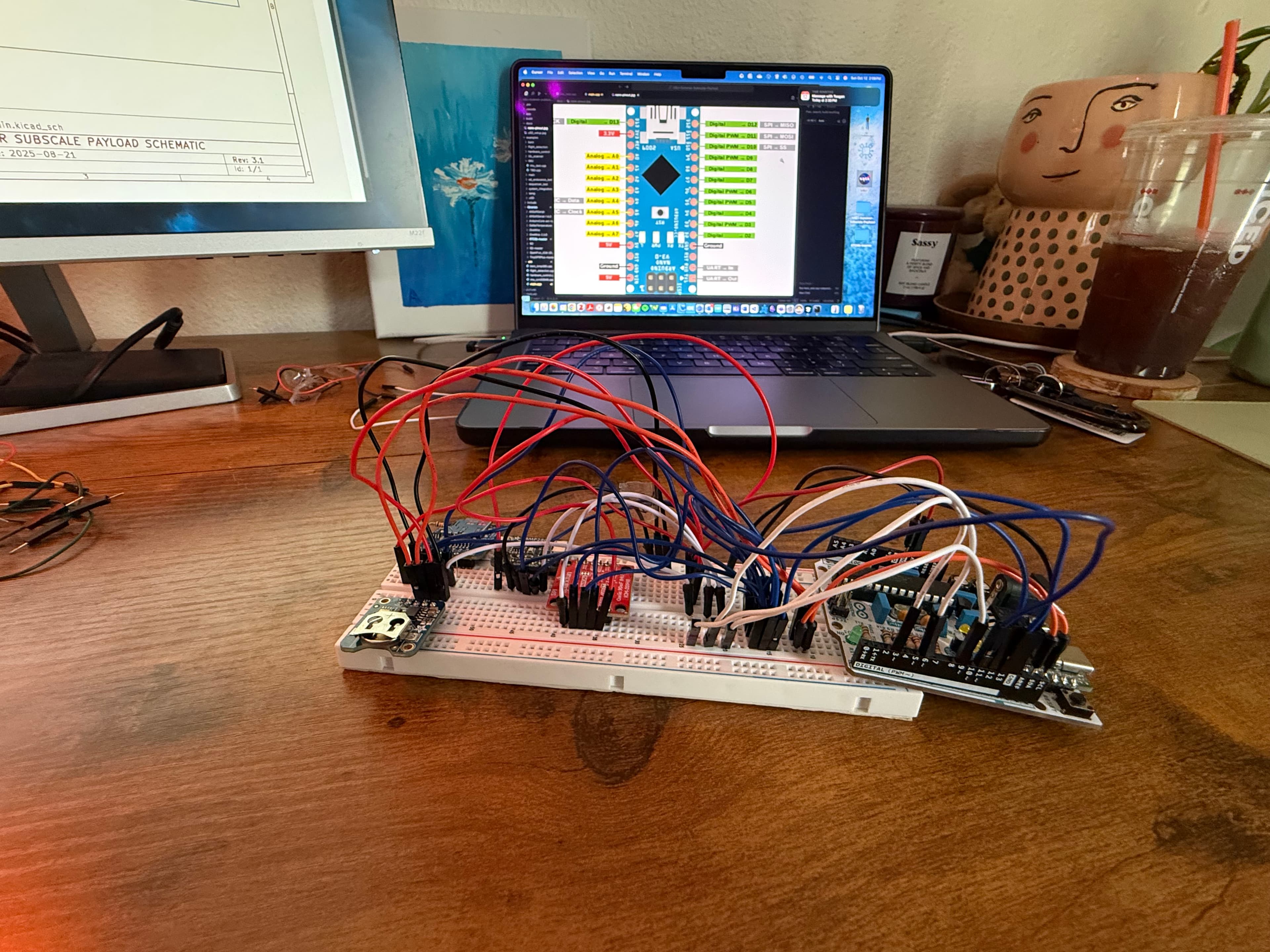
Original breadboard testing of all sensors included on the final competition payload
Prototype 1: Subscale Electronics Development
Prototype 2: Subscale Testing and Deployment
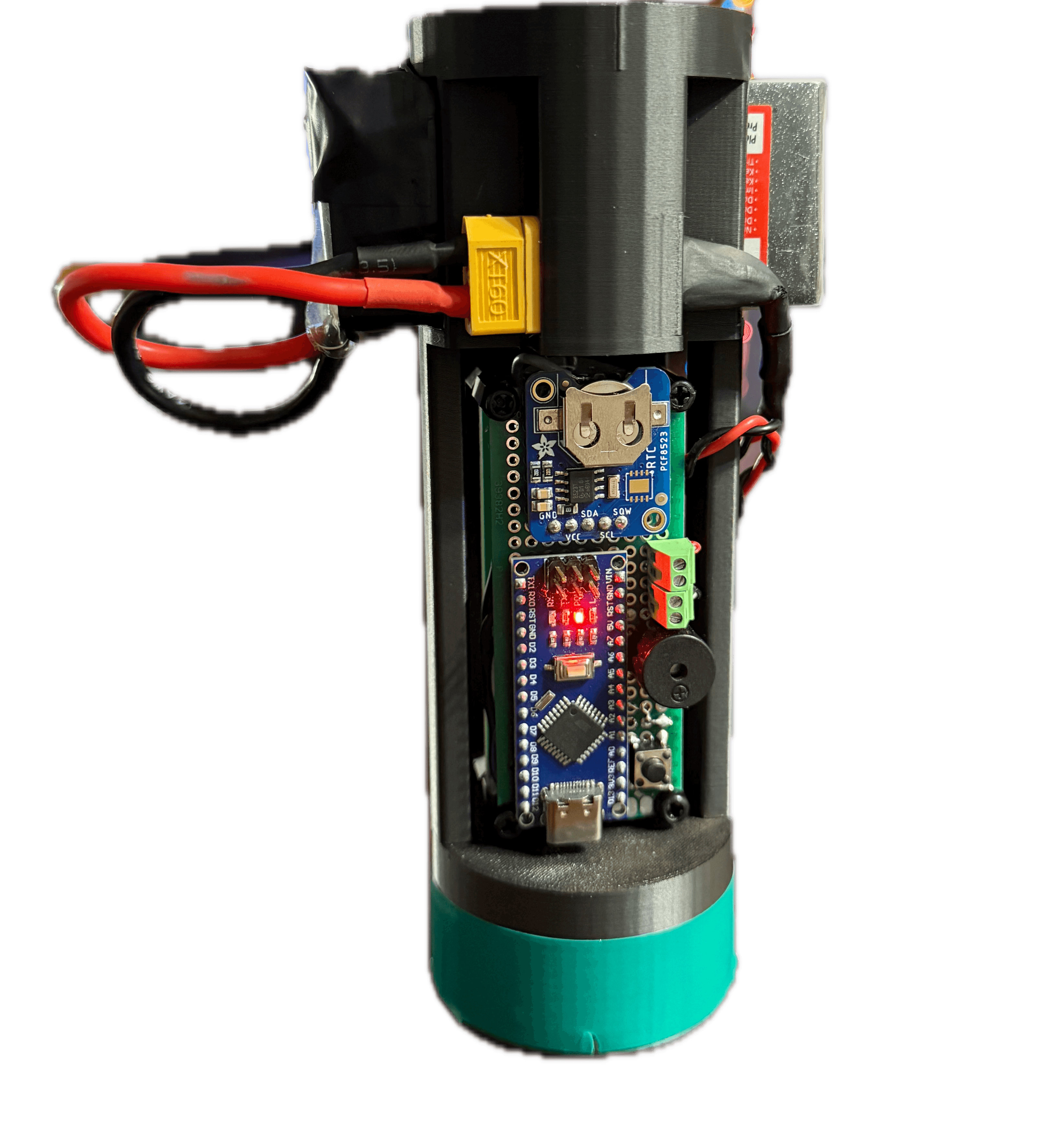
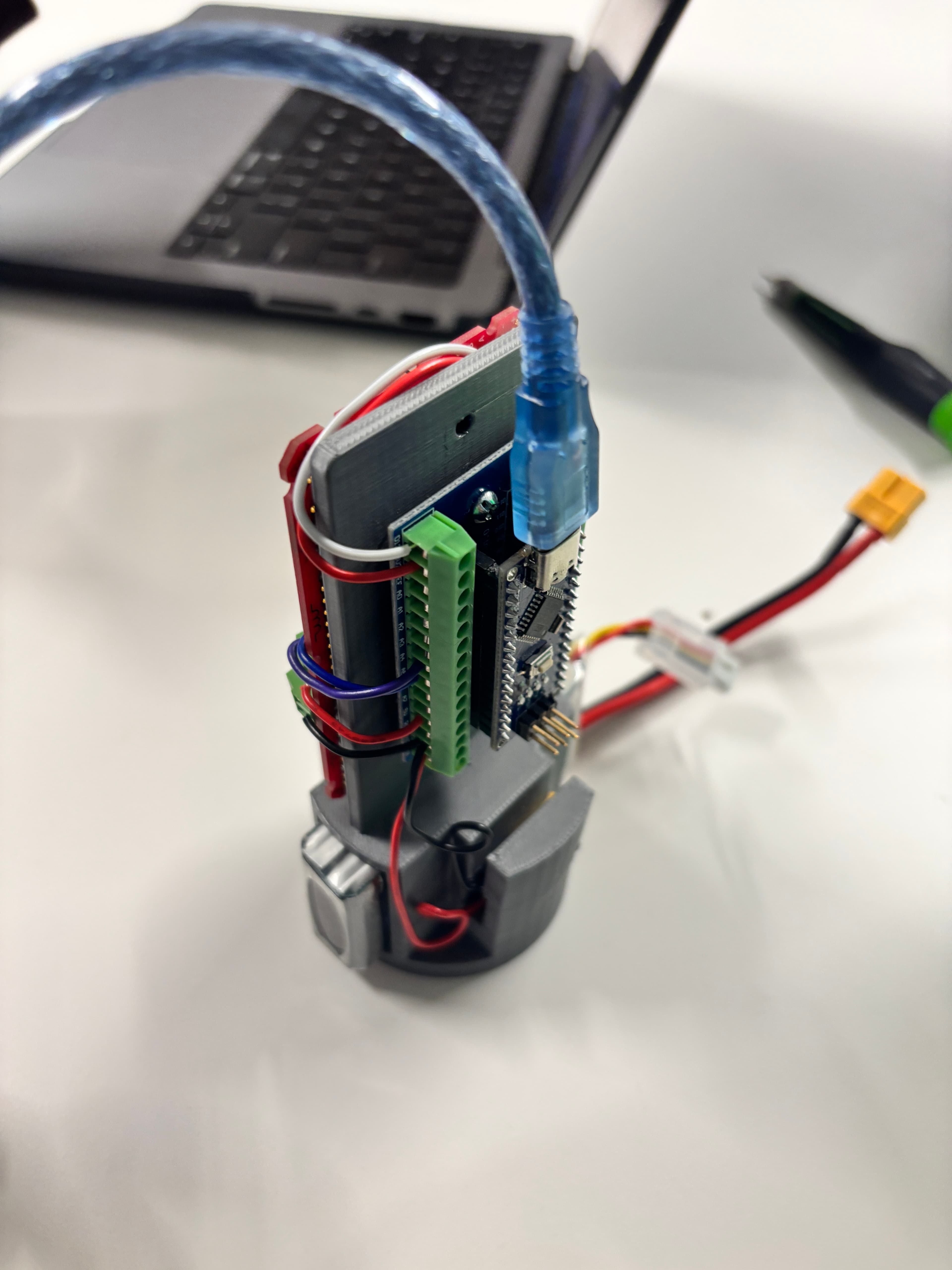
Subscale electronics, front-facing, that was in the payload body for subscale launches 1 and 2. Collects real-time clock data, altitude data, payload internal temperature, barometric pressure, and stores it to a microSD card. A buzzer is used as an indicator and a tactile button as a toggle.
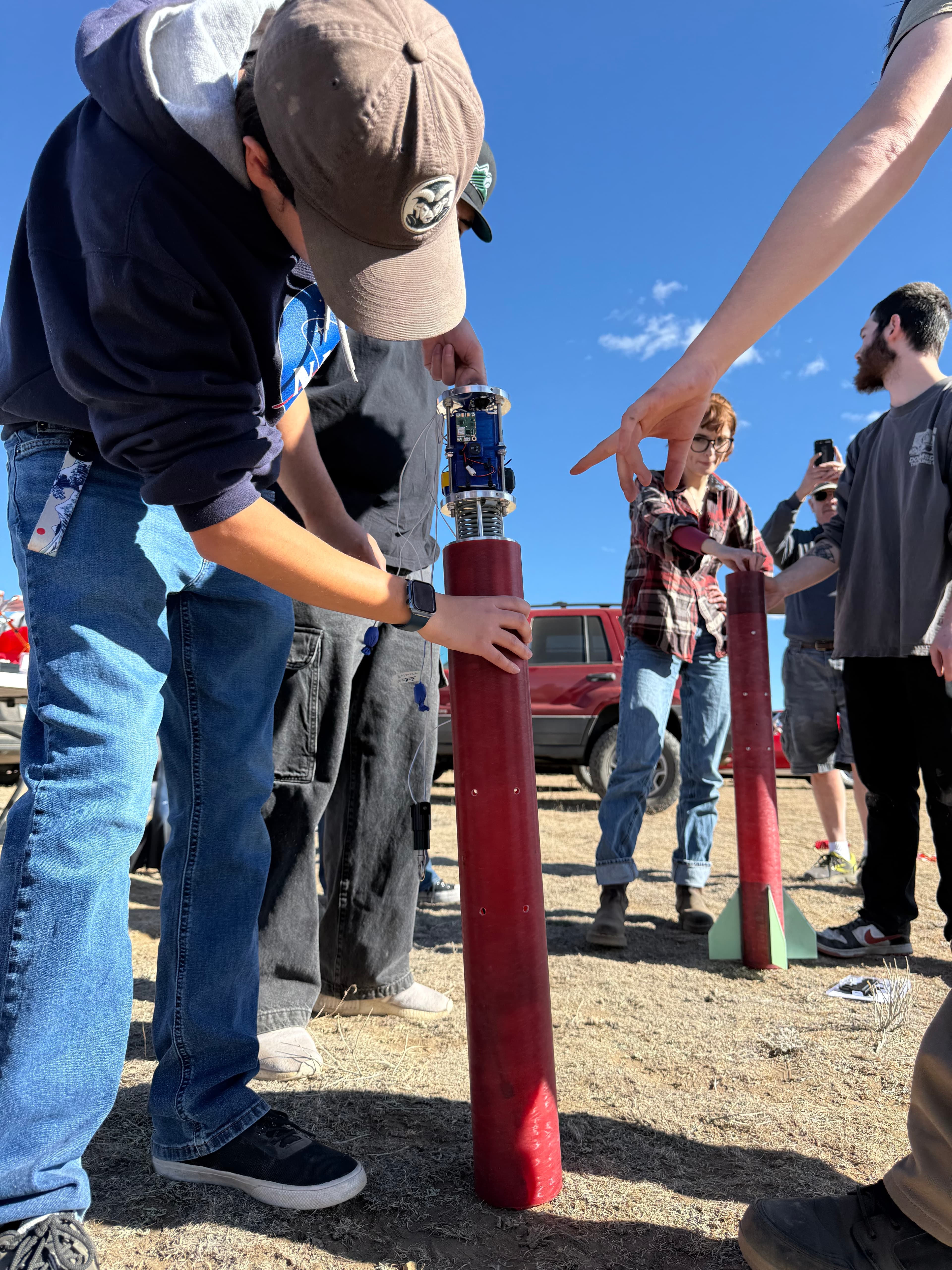
Subscale 1 rocket being assembled
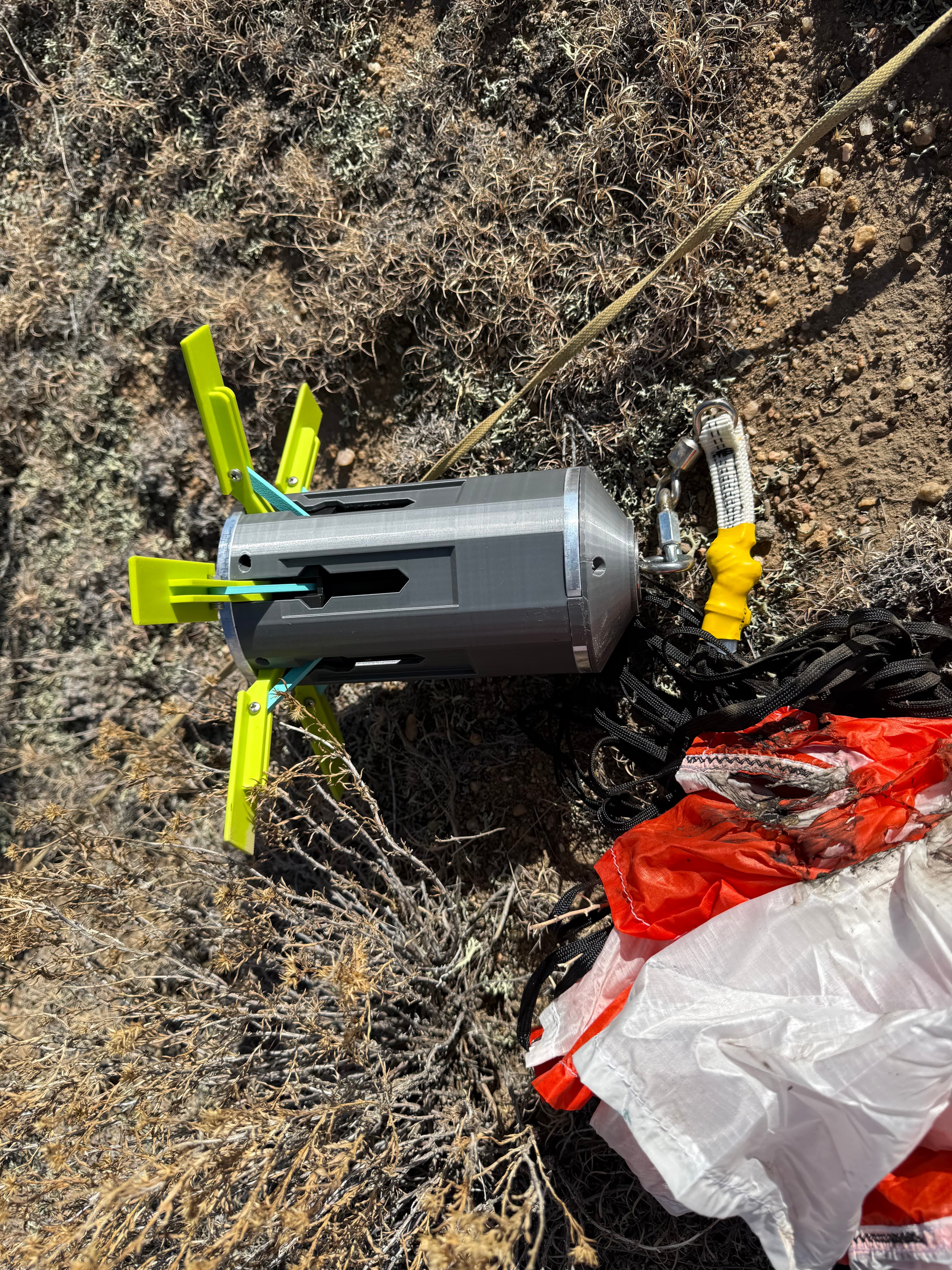
Payload landing after deployment at the test site in Hartsel. The parachute burnt up when the black powder charges fired, causing parachute failure. However, the deployment of the payload body was successful. The payload orientation system worked nominally and suffered no damages. The microSD card from this first launch was lost at this location but was not recovered.
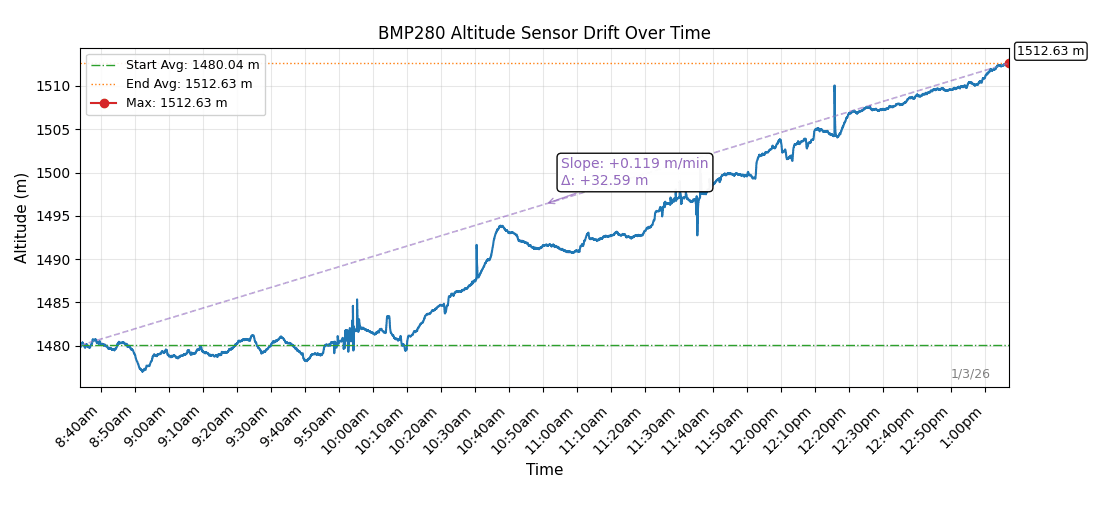
Altitude drift of the BMP280 sensor over time (5 hour span)
CDR/FRR Design
Design documentation through Critical Design Review and Flight Readiness Review, plus as-built payload integration and demonstration flight from FRR.
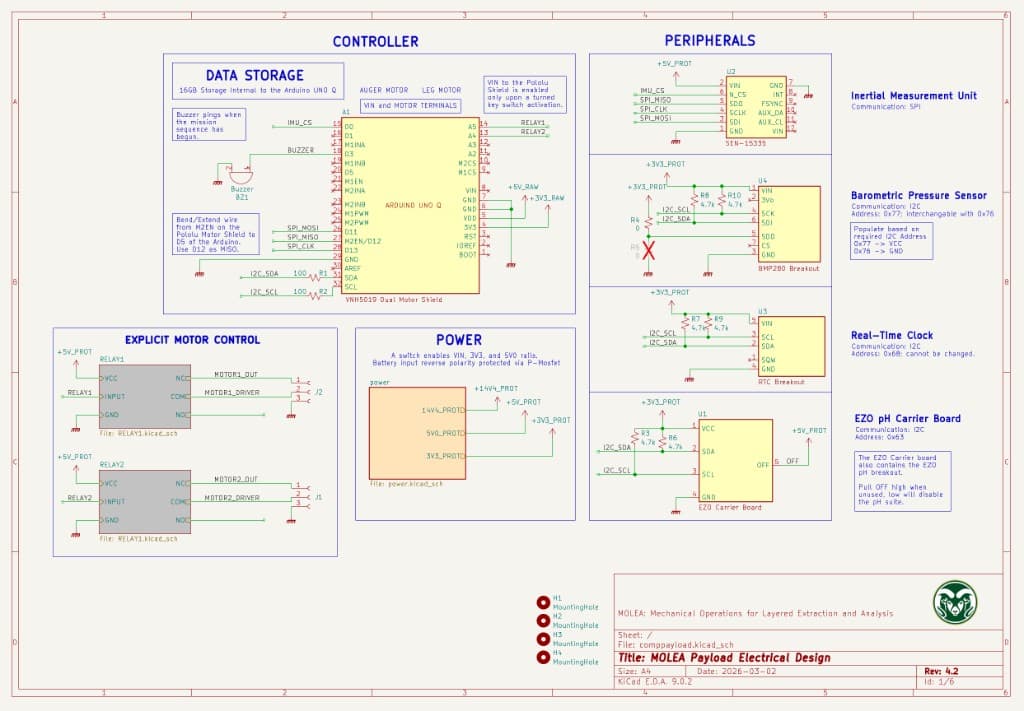
MOLEA Payload Electrical Design (Rev 4.2). Controller, peripherals (IMU, BMP280, RTC, EZO pH), motor control, and power distribution.
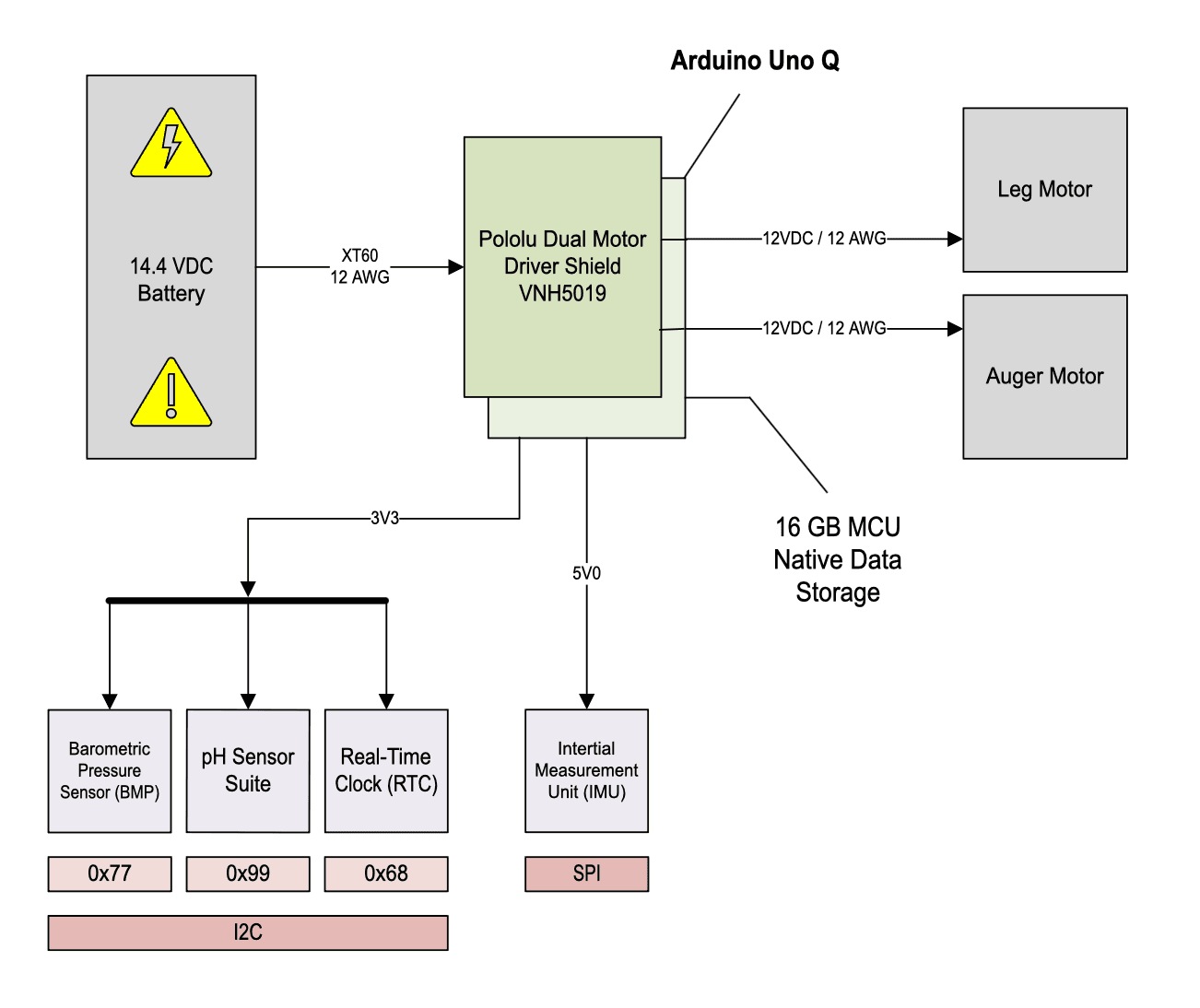
Electrical block diagram for the MOLEA payload system.
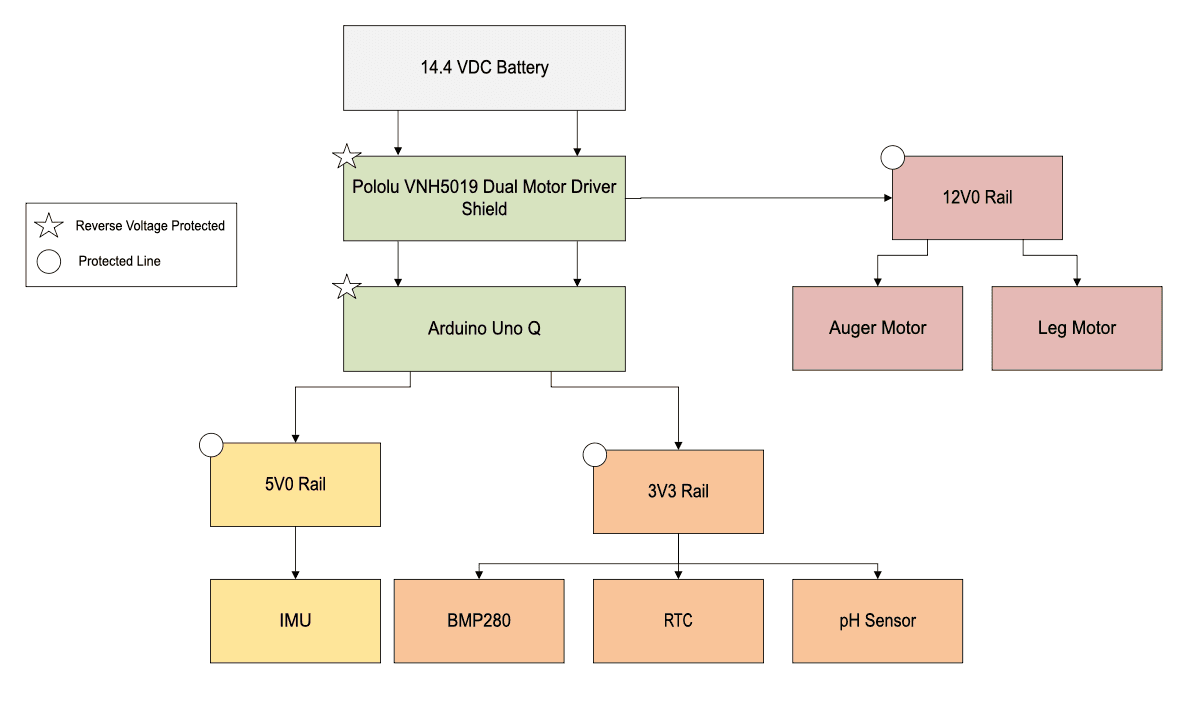
Power architecture block diagram, focused on the power rails.
As-built payload and vehicle integration
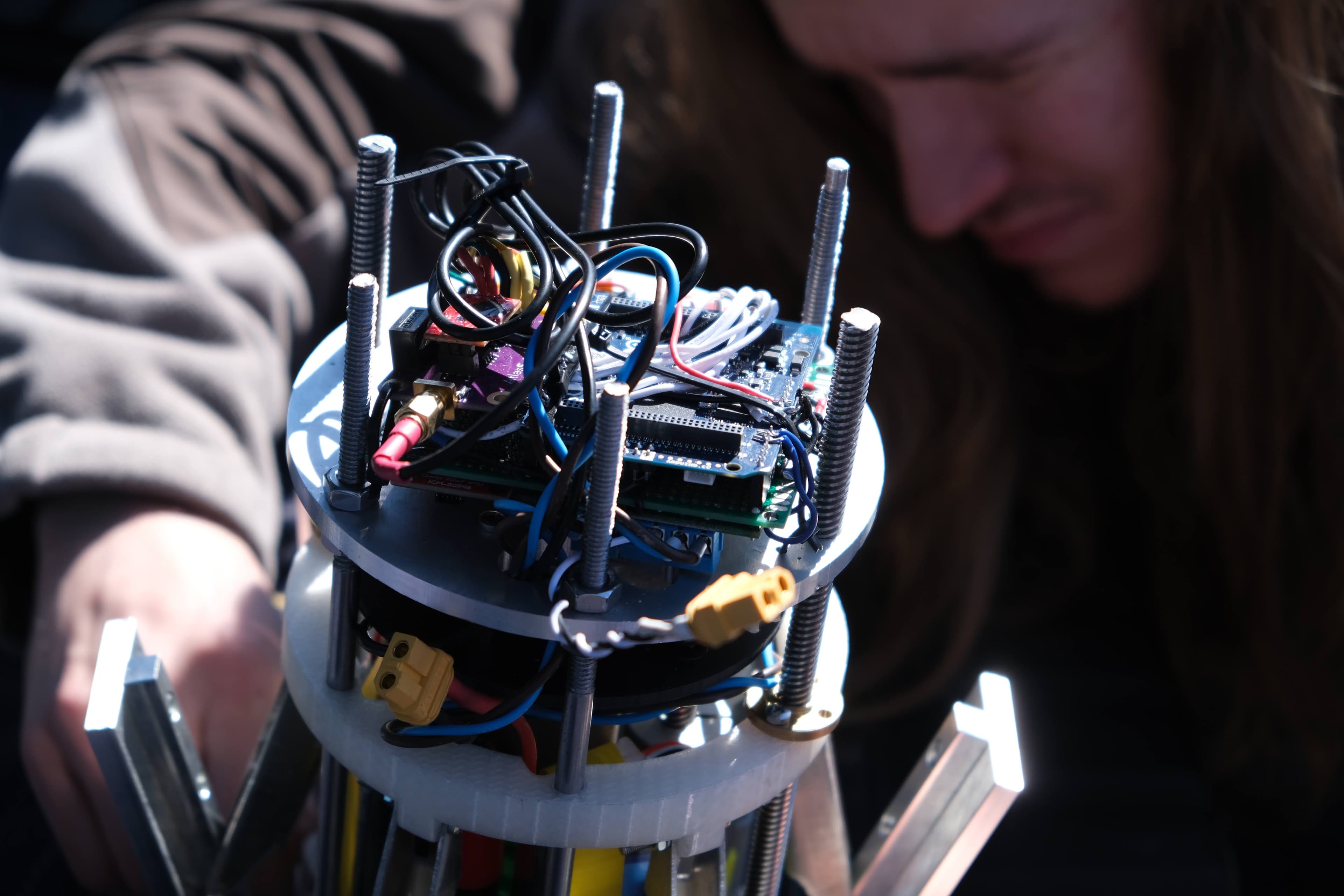
Electronics being installed for full scale launch.
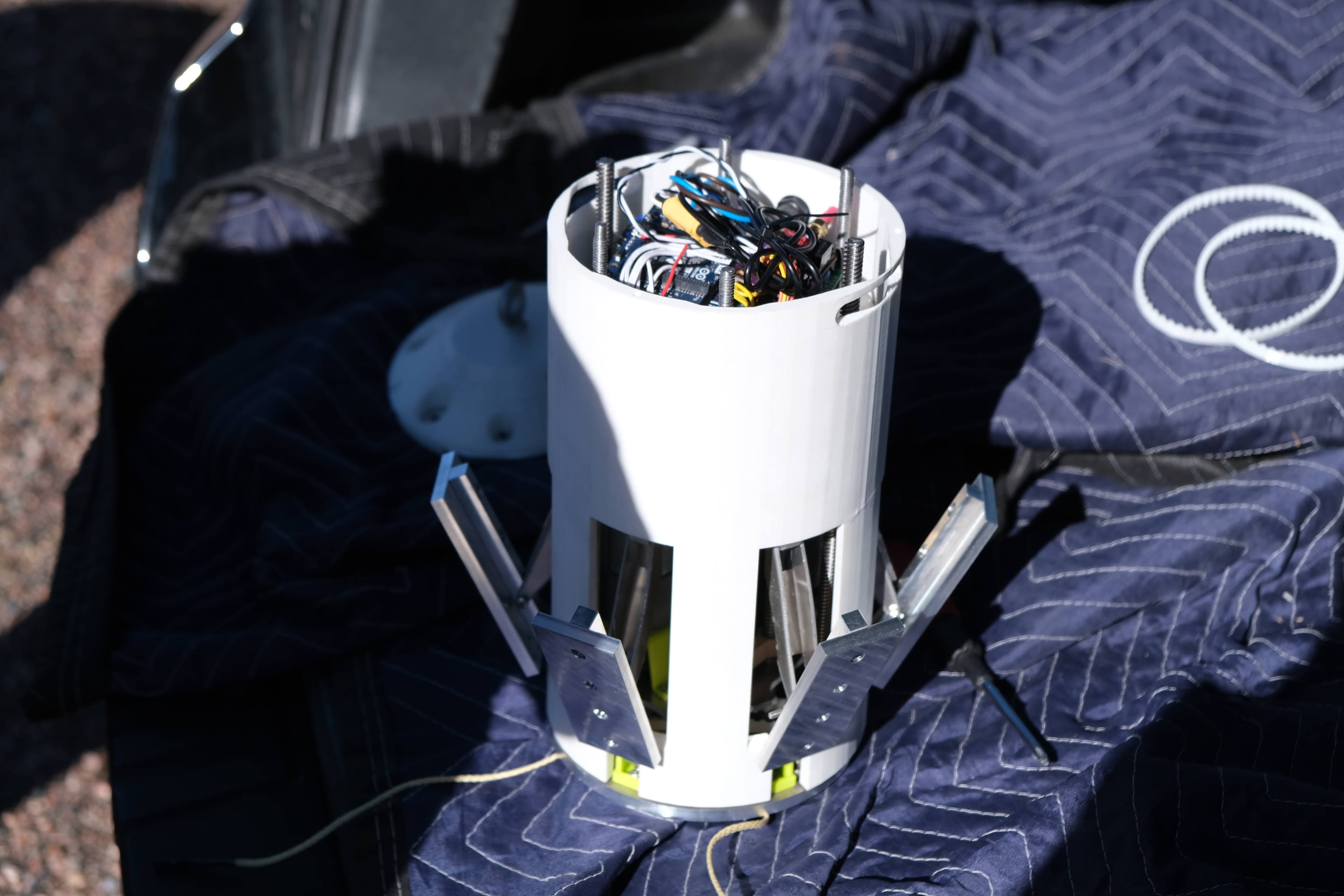
Getting payload body ready for full scale launch.
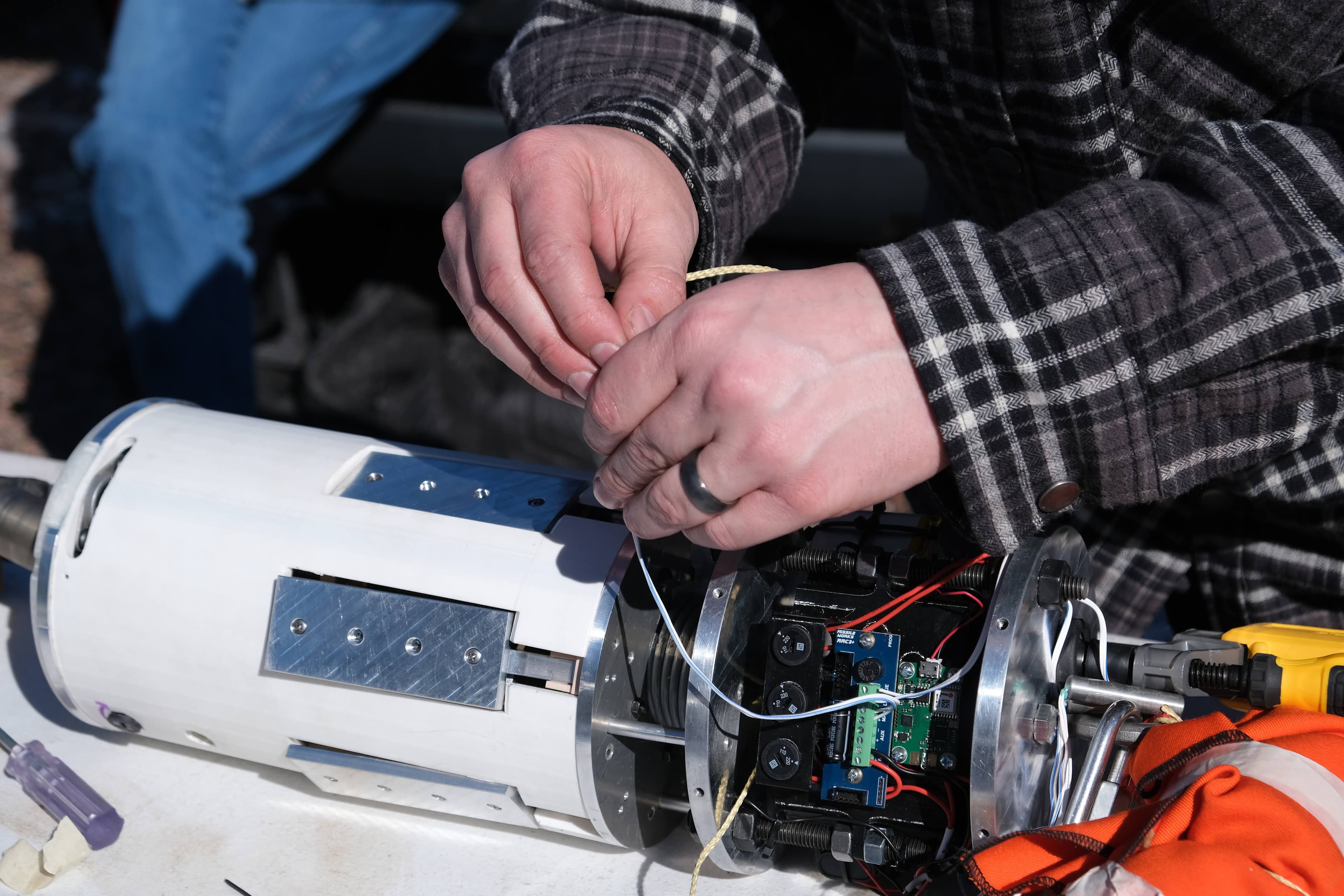
Payload / avionics spring being compressed to fit within the rocket body.
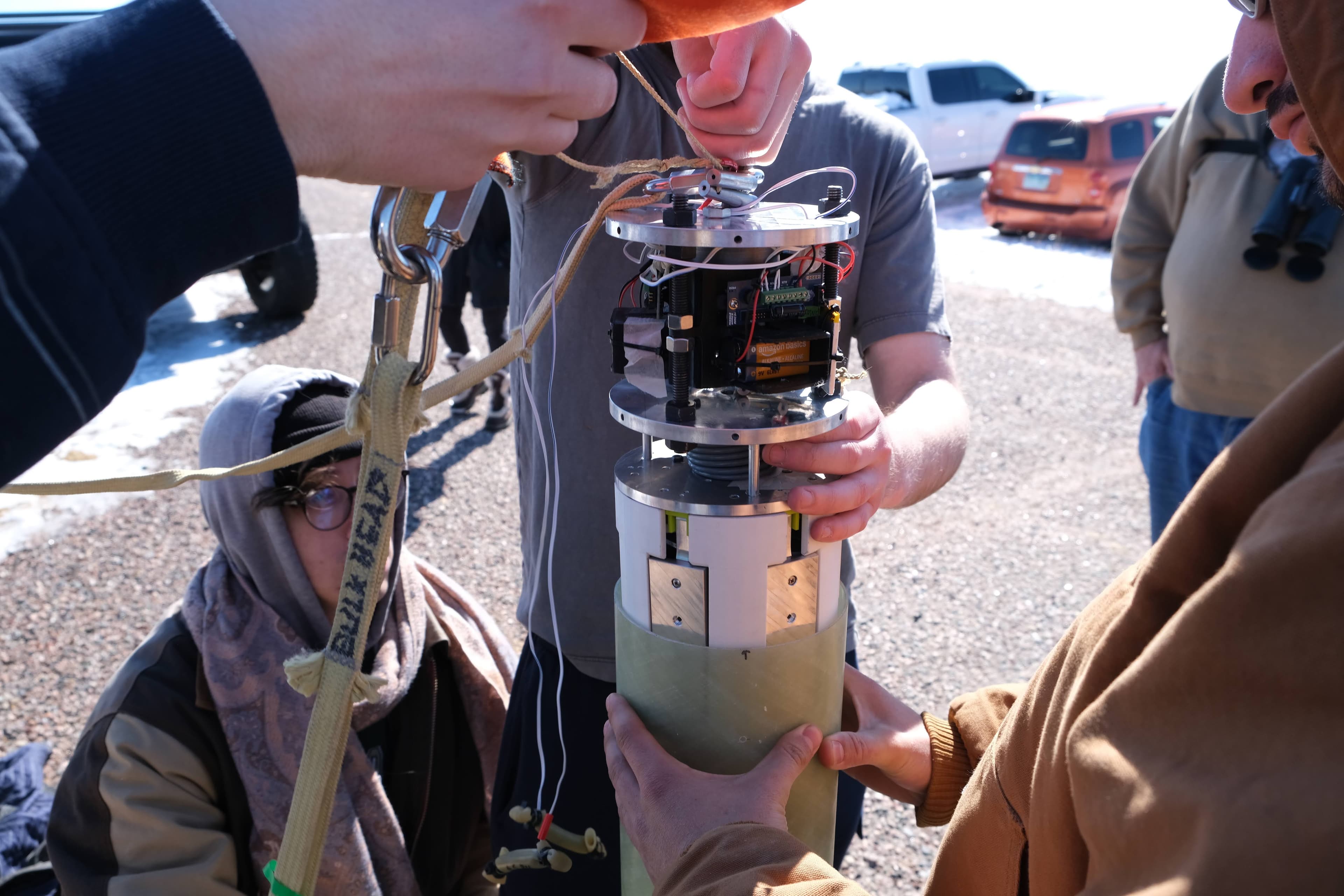
Payload section being put in the vehicle body.
Payload demonstration flight
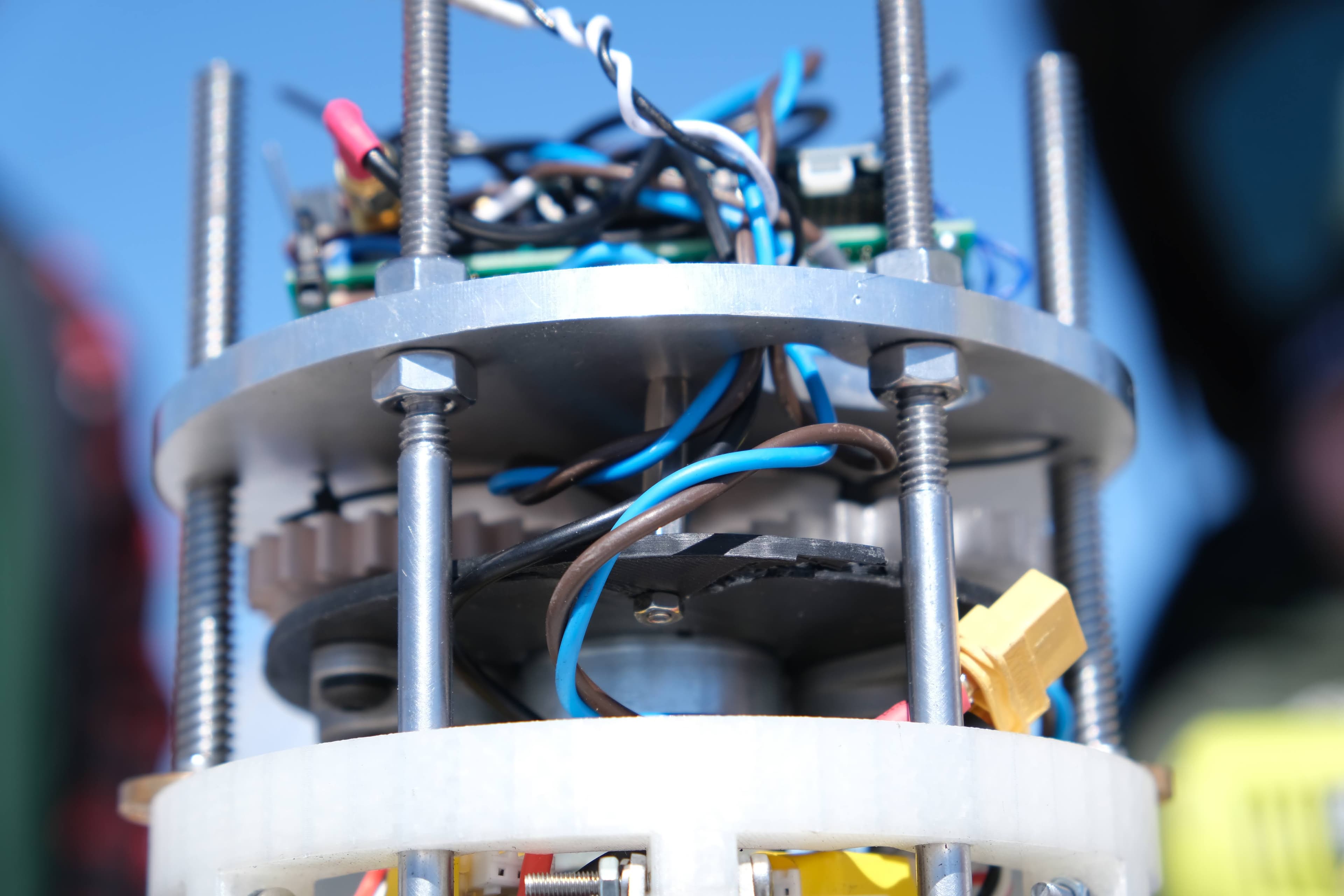
Damage to payload internals after first full scale launch.
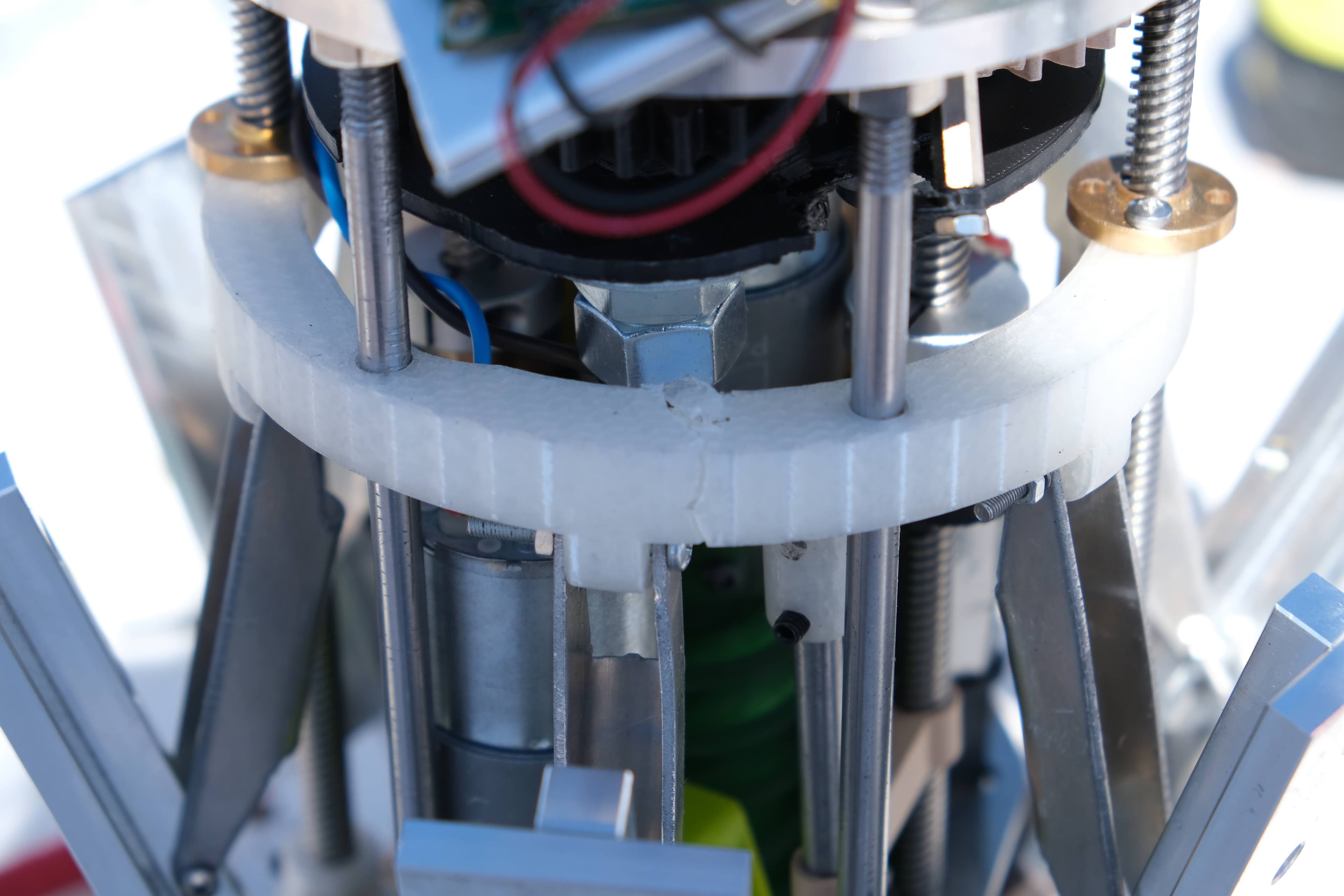
Payload internals after full scale flight.
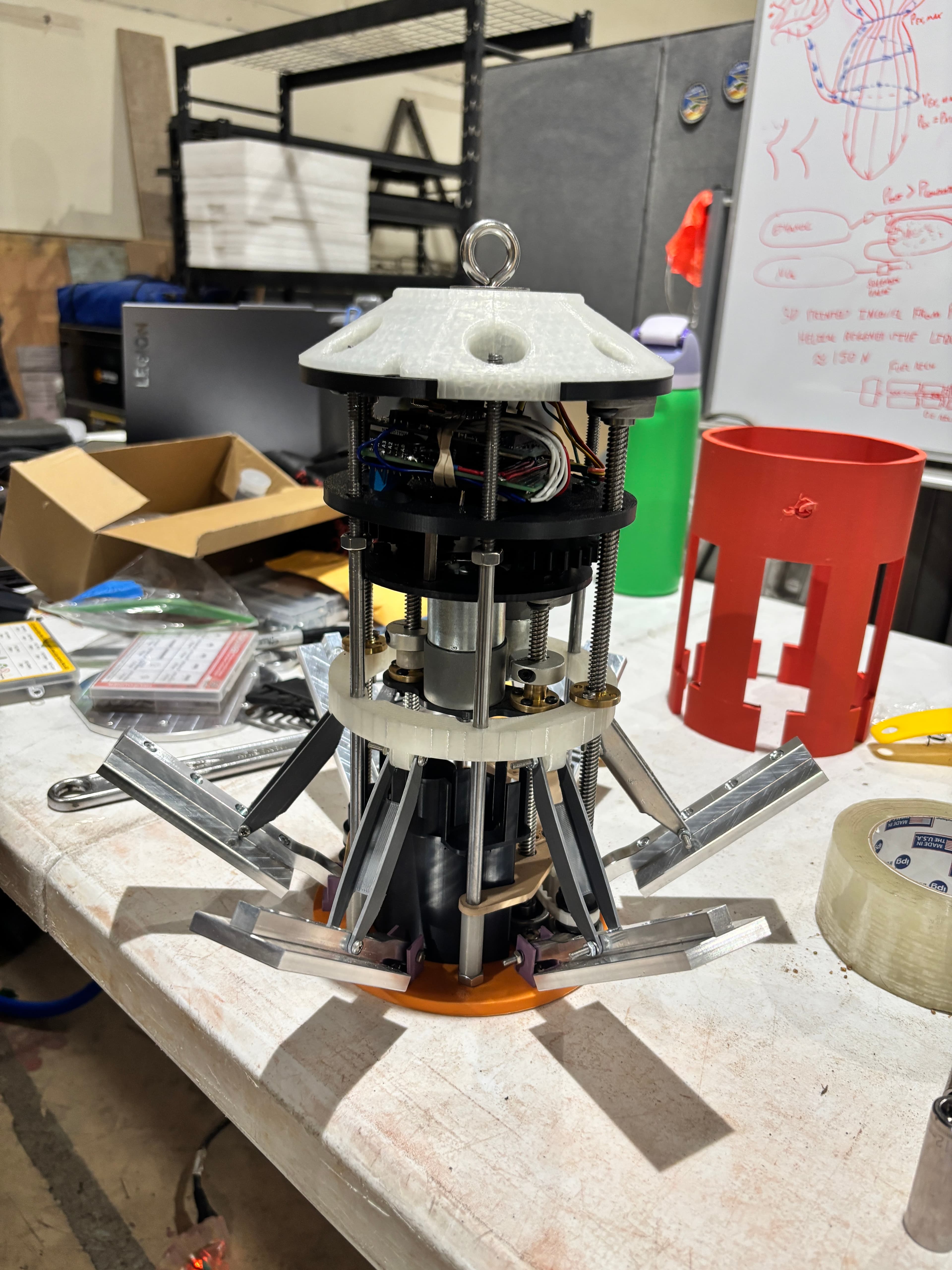
Payload internals under testing.
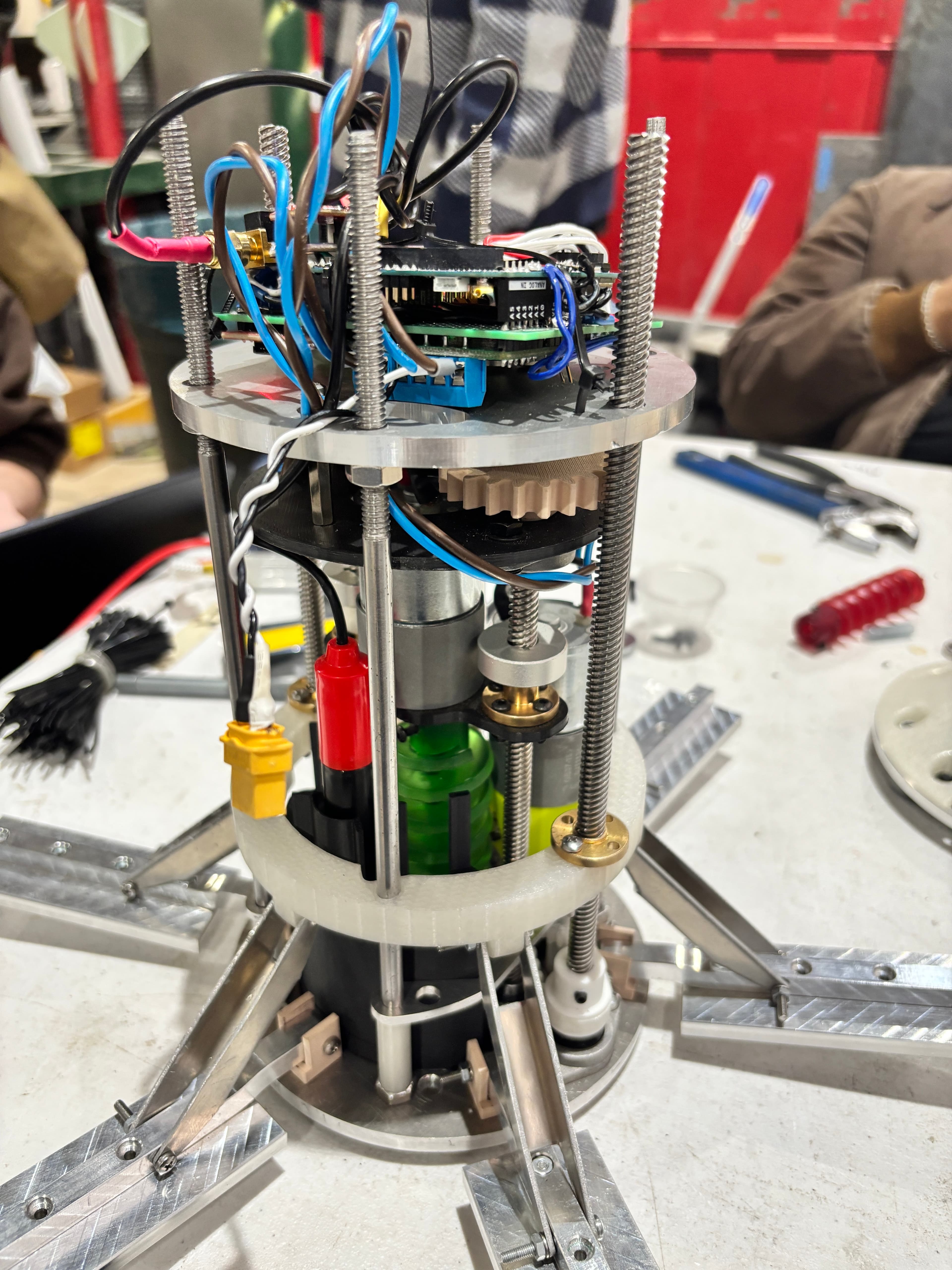
Payload internals under testing.
Custom PCB Design
Coming soon — custom PCB designed for the MOLEA payload system.
Questions About This Project?
Due to the nature of this work, I can't show everything on this website. If you have questions about the technical details, design decisions, or the work that went into this project, feel free to reach out!